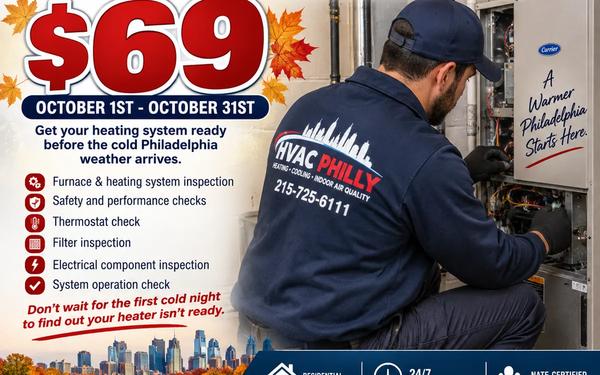
Why Does My Philadelphia Furnace Keep Cycling On and Off?
Learn about the common causes of short cycling and effective Philadelphia furnace repair solutions for your heating system.
The Problem with Short Cycling
There’s nothing worse than a furnace that can’t make up its mind. When your heating system in Philadelphia repeatedly turns on for a short time and then shuts off without fully heating your home, it’s called short cycling. This isn’t just annoying; it can lead to higher energy bills, uneven temperatures, and increased wear and tear on your system, potentially shortening its lifespan. Understanding why it happens is the first step to fixing it.
Why Does My Furnace Keep Cycling On and Off?
As the temperature drops and cold weather settles in, your furnace is supposed to provide consistent, cozy warmth throughout your …
Most short cycling issues stem from one of a few key problems, many of which can be addressed by a homeowner:
- Dirty Air Filter: This is the most common and easiest fix. A clogged filter restricts airflow, causing the heat exchanger to quickly overheat and the safety limit switch to turn the system off.
- Blocked Vents or Ductwork Issues: Just like a dirty filter, closed or blocked vents (make sure that couch isn’t covering a return or supply vent!) trap heat and cause the furnace to overheat and shut down.
- Thermostat Troubles: A malfunctioning thermostat, incorrect settings, or poor placement (e.g., in direct sunlight or near a heat source) can lead it to incorrectly gauge the home’s temperature, triggering premature shutdowns.
- Dirty Flame Sensor: This safety device is designed to shut off the gas supply if no flame is detected. If it’s covered in soot or dirt, it might not “see” the flame even when it’s working correctly, causing the system to stop and restart.
- Improperly Sized Furnace: If your furnace is too large (oversized) for your home, it will heat the space too rapidly and reach the thermostat’s set temperature too quickly, causing it to shut off before a full cycle is completed. This issue usually requires a professional assessment.
- Blocked Flue or Vent Pipe: Obstructions in the exhaust system (sometimes from animal nests) can also cause the system to shut down for safety reasons.
DIY Troubleshooting Steps for Philly Homeowners
Before calling in the pros, try these simple checks:
- Check and Replace the Air Filter: Turn off your furnace and inspect the air filter. If it’s dirty, replace it with a clean one. Many homeowners should change their filters every one to three months.
- Ensure Proper Airflow: Walk around your home and make sure all supply and return vents are open and not blocked by furniture, rugs, or other items.
- Inspect the Thermostat: Double-check that your thermostat is set to “HEAT” and the correct temperature. If it runs on batteries, replace them. Also, check its location to ensure it’s not near a heat source that might skew its readings.
- Gently Clean the Flame Sensor: If you’re comfortable with a minor DIY task, you can access the flame sensor (with the power off!) and gently clean the metal rod with a microfiber cloth or emery cloth to remove built-up carbon.
When to Call a Professional HVAC Technician
If the simple fixes above don’t solve the problem, or if you notice warning signs like unusual noises (banging or rattling), a burning smell, or suspect a more complex issue, it’s time to call a professional.
For Philadelphia furnace repair and to get a professional inspection of complex components like the heat exchanger, limit switch, or blower motor, find a qualified technician. Regular annual furnace maintenance is highly recommended to catch these problems early and keep your system running safely and efficiently.
Don’t let a short-cycling furnace leave you in the cold. A little maintenance can go a long way in ensuring a warm and comfortable winter in your Philly home!
Need help from a Philly HVAC pro?
Same-day service for heating, cooling, and indoor air quality.
Related articles
$750 Off Heater Replacement in Philadelphia | HVAC Philly
How to Choose a Heating Repair Company in Philadelphia