

Why Your AC Is Blowing Warm Air During a Philadelphia Heatwave
Nothing ruins a summer day quite like realizing your home comfort system has turned into a giant hair dryer
What Philadelphia’s Heat Waves Do to Your Air Conditioner
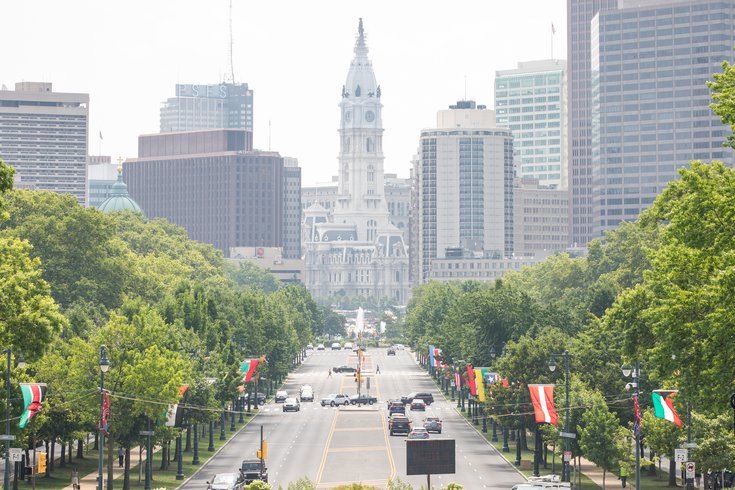
Nothing ruins a summer day quite like realizing your home comfort system has turned into a giant hair dryer. When a Philadelphia heatwave settles over the Delaware Valley, local temperatures routinely surge past 90°F with stifling humidity. This extreme weather forces your cooling infrastructure to work overtime, making a sudden blast of warm air a true household emergency.
If your indoor system is running but failing to lower the temperature, a few common culprits are likely responsible. Understanding these issues can help you determine whether you need immediate professional assistance or if a quick, safe system adjustment will restore your cold air.
🔥 Top Causes of Warm Air Deflection
When cooling components are pushed to their structural limits by extreme external temperatures, three main issues typically cause the airflow to turn warm:
- Thermostat setting mismatch: A simple system override or fan setting set to “ON” instead of “AUTO” will cause the indoor blower to continuously push uncooled room air through your vents even when the outdoor unit switches off.
- Frozen indoor evaporator coil: Airflow restrictions from a heavily clogged air filter cause the refrigerant inside your indoor coil to drop below freezing temperature. This creates a solid block of ice that completely suffocates heat transfer.
- Overheated outdoor condenser circuit: If the outdoor unit cannot dump heat into the surrounding air, safety switches or internal thermal overloads will trip, shutting down the compressor while leaving the indoor fan running.
🌿 Crucial Outdoor Condenser Clearing Tips
Your outdoor unit—the condenser—is responsible for dumping all the hot air extracted from inside your home into the outdoors. During a heatwave, the air outside is already boiling, meaning your condenser needs perfect, unobstructed ventilation to work efficiently.
Before you assume your system has completely suffered a catastrophic breakdown, walk outside and check the physical environment around your outdoor cabinet:
- Clear a two-foot perimeter: Trim back all overgrown bushes, ivy, weeds, or low-hanging tree branches surrounding the metal frame. Obstructions trap boiling air right around the unit, causing it to suffocate and blow warm air inside.
- Remove debris from the fins: Check the delicate metal mesh siding of the unit. Carefully clear away grass clippings, accumulated summer pollen, dead leaves, and cottonwood fuzz that act like a thermal blanket over the coils.
- Gently rinse the outdoor coil: Turn off your system at the thermostat. Take a standard garden hose with a gentle spray nozzle (never use a high-pressure power washer, which folds the fragile aluminum fins) and spray the coils from top to bottom to wash away hidden dirt and grime.
🚨 When to Call for Emergency AC Repair in Philadelphia
If you have replaced your indoor air filter, cleared a wide perimeter around your outdoor condenser, and your vents are still pushing out warm air after an hour, it is time to call in a professional mechanical team.
Do not attempt to fix complex internal components yourself. If your system is experiencing any of the following issues, you require certified emergency AC repair in Philadelphia:
- Failing electrical components: A dead capacitor, a faulty control board, or broken wiring will prevent your outdoor compressor from spinning up entirely.
- Low refrigerant levels: If a physical leak develops within your copper lines, the lack of chemical refrigerant pressure makes it physically impossible for the unit to drop the temperature of your incoming air.
- Seized compressor motor: If the heart of your outdoor unit overheats to the point of mechanical failure, it requires immediate professional diagnostics, a major component replacement, or a complete high-efficiency unit upgrade.
📞 Need Fast Relief? Contact HVAC Philly Now
Don’t spend the night sweating through a brutal Philly heatwave. At HVAC Philly, our fully licensed local technicians are standing by with fully stocked service vans ready to deploy across South Philly, Fishtown, Center City, and the Northeast.
We offer rapid, upfront diagnostics and 24/7 emergency AC repair to get your cold air running when you need it most.
👉 Call 215-725-6111 right now for immediate emergency service dispatch, or click here to learn about our same-day repair options!