How to Beat a High PGW Gas Bill This Winter: 10 Ways to Save Money in Philadelphia
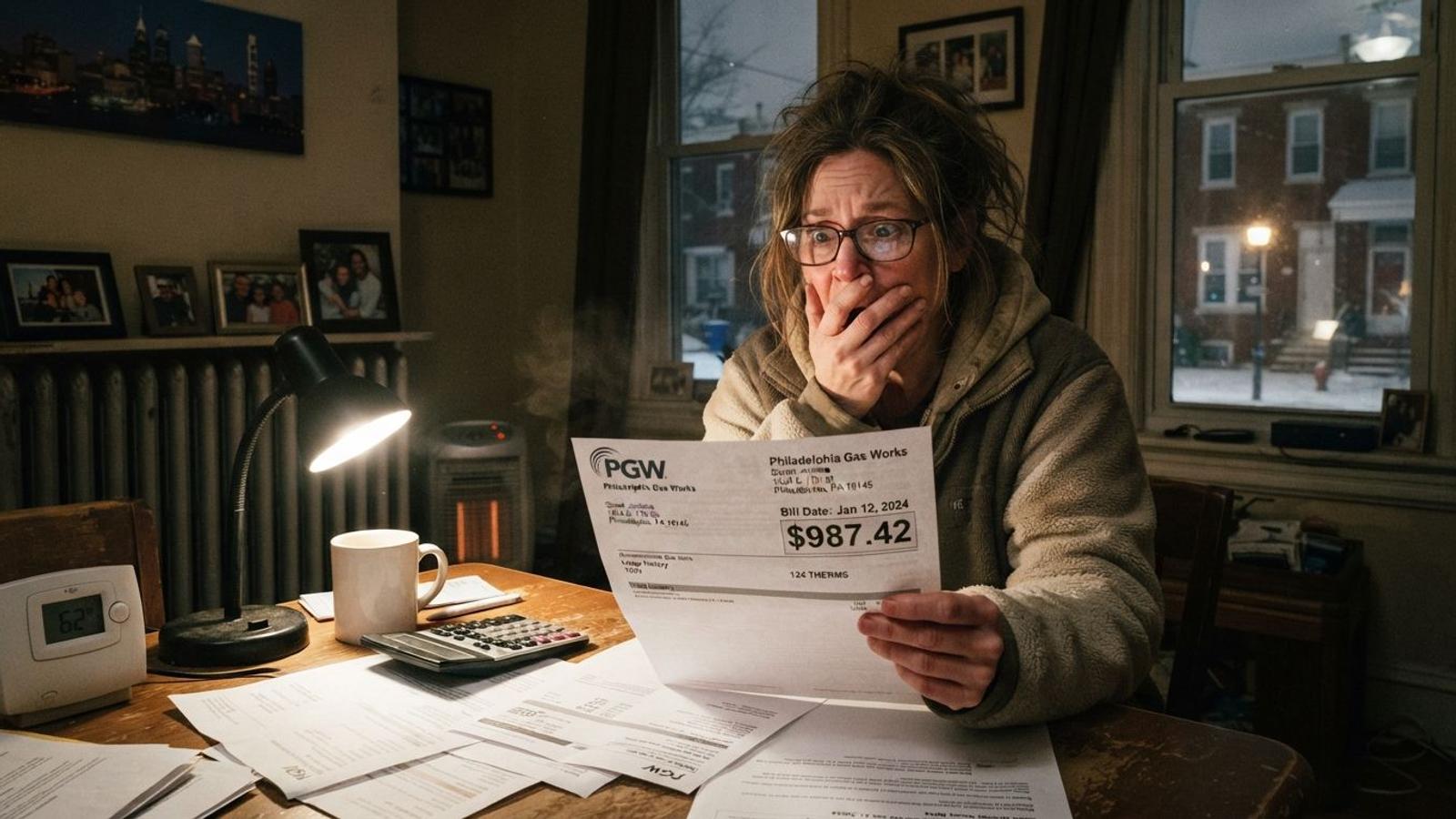
Worried about high PGW gas bills this winter? Discover 10 practical ways to lower heating costs in Philadelphia, improve furnace efficiency, reduce energy waste, and explore available PGW bill assistance programs.
How to Beat a High PGW Gas Bill This Winter: 10 Ways to Save Money in Philadelphia
By HVAC Philly | Philadelphia Heating & Cooling Experts
When winter arrives in Philadelphia, keeping your home warm can become expensive. Between freezing temperatures, older homes, drafty windows, and rising heating expenses, many homeowners are looking for ways to lower their PGW (Philadelphia Gas Works) bills without sacrificing comfort.
The good news? You don't have to sit in a cold house to save money. With a few smart changes, proper heating system maintenance, and better control of your home's temperature, you can reduce wasted energy and make your home more comfortable throughout the winter.
Here are 10 practical ways to beat a high PGW gas bill this winter.
1. Lower Your Thermostat a Few Degrees
One of the easiest ways to reduce heating costs is to adjust your thermostat.
Try setting your thermostat to around 68°F while you're home and awake, if that temperature is comfortable for your household. Lower it when you're sleeping or away from home.
A programmable or smart thermostat can automatically adjust temperatures according to your schedule, helping prevent unnecessary heating when nobody is home.
HVAC Philly tip: Avoid constantly raising the thermostat to its maximum setting. It won't make your furnace heat your home faster, and it can lead to unnecessary energy use.
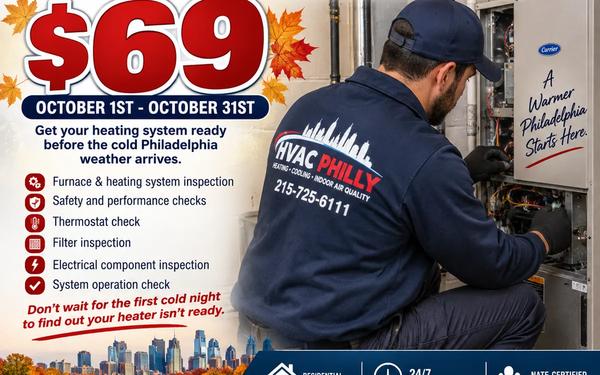
2. Schedule a Furnace Tune-Up Before Winter
A furnace that hasn't been maintained may not operate as efficiently or reliably as it should. Dirty components, restricted airflow, incorrect settings, and neglected maintenance can affect performance.
A professional heating tune-up can help identify problems before they lead to expensive repairs or unexpected breakdowns.
During a routine maintenance visit, a qualified HVAC technician may inspect:
- The air filter and airflow.
- The burner and ignition system.
- The blower motor and electrical components.
- The thermostat and heating controls.
- The venting system and other applicable safety components.
Regular maintenance cannot guarantee a lower bill, but it can help your heating system operate properly and identify issues that waste energy.
3. Change Your Furnace Filter Regularly
A dirty air filter can restrict airflow and make your heating system work harder to circulate warm air.
Check your filter every month during the heating season, especially if you have pets, dust, or a busy household. Replace it according to the manufacturer's recommendations and use the correct filter type for your system.
Remember: a higher-rated filter isn't always better for every furnace. The wrong filter can restrict airflow, so follow your equipment manufacturer's specifications.
This simple maintenance task can help protect your equipment and maintain comfortable temperatures throughout your home.
4. Seal Drafts Around Windows and Doors
Philadelphia's older homes can lose a significant amount of heat through air leaks. Even if your furnace is working properly, drafts can make rooms feel cold and increase heating demand.
Walk through your home and check for drafts around:
- Windows and exterior doors.
- Door frames and weatherstripping.
- Basement windows and exterior walls.
- Attic access points.
- Gaps around pipes and other openings.
Use appropriate weatherstripping and caulk to seal suitable gaps. For larger air leaks, consider a professional home energy assessment.
Important: Never block combustion air openings, furnace vents, or required clearances around heating equipment.
5. Keep Your Heating Vents Clear
Furniture, rugs, curtains, and other objects can block supply registers or return-air grilles, interfering with proper airflow.
Make sure your vents are open and unobstructed. If certain rooms are consistently too cold while others are too warm, your home may have an airflow or ductwork problem.
A professional HVAC inspection can help identify duct leaks, balancing issues, or other problems that prevent heat from reaching the rooms that need it.
6. Consider a High-Efficiency Heating System
If your furnace is old, frequently breaking down, or struggling to keep your home warm, replacing it may be worth considering.
Modern high-efficiency gas furnaces can convert a greater percentage of their fuel into useful heat than older, less-efficient equipment. Actual savings depend on your existing system, installation quality, local gas prices, thermostat settings, and household heating habits.
A qualified HVAC contractor can help you compare equipment efficiency ratings, installation costs, and estimated operating expenses before making a decision.
Could an Electric Heat Pump Save You Money?
Another option is an electric heat pump. Rather than generating heat by burning natural gas, a heat pump transfers heat between the outdoors and your home.
Depending on the equipment, electricity rates, winter temperatures, and your existing heating system, a heat pump may reduce your natural gas consumption. However, your electric bill may increase, so compare total energy costs rather than looking at your PGW bill alone.
Ask an HVAC professional whether a heat pump, a dual-fuel system, or a high-efficiency furnace makes the most sense for your home.
7. Check Your Ductwork for Leaks
Leaky or poorly insulated ducts can waste heated air before it reaches your living spaces.
This can be especially important when ductwork runs through an unheated basement, attic, crawl space, or garage.
A professional can inspect accessible ductwork, identify leaks, and recommend appropriate sealing or insulation. Properly sealed ducts can improve comfort and help reduce unnecessary heating demand.
Don't assume that buying a more powerful furnace will fix rooms that never seem to get warm. The underlying issue could be your duct system.
8. Take Advantage of PGW Payment Assistance Programs
Sometimes a high heating bill isn't just an energy-efficiency problem. It can also create a financial burden for a household.
Philadelphia Gas Works offers several programs that may help eligible customers manage their bills.
- Budget Billing: Spreads estimated annual gas costs across 12 months to make payments more predictable. It does not necessarily reduce the total amount you owe.
- Customer Responsibility Program (CRP): Provides qualifying customers with income-based bill assistance.
- LIHEAP: The Low Income Home Energy Assistance Program offers heating assistance to eligible households during its application season.
- Payment arrangements and other assistance: PGW may have options for customers experiencing financial hardship.
Contact PGW at 215-235-1000 or visit its official assistance page to review current programs, application dates, and eligibility requirements.
Official resource: https://www.pgworks.com/customer-care/payment-assistance
9. Use Curtains and Sunlight to Your Advantage
You can make your home more comfortable without turning up the thermostat.
During sunny winter days, open curtains on sun-facing windows to let natural sunlight warm your rooms. Close curtains at night to reduce heat loss through windows.
If you have particularly drafty windows, insulated curtains or properly fitted window coverings may help improve comfort.
Also, keep interior doors arranged to support your home's intended airflow. Closing off rooms can affect heating distribution, especially in homes with central forced-air systems.
10. Know When Your Furnace Needs Professional Attention
A sudden increase in your PGW bill can sometimes indicate a heating system problem, particularly if your household habits and the weather haven't changed significantly.
Possible causes include:
- A malfunctioning thermostat.
- Restricted airflow.
- Leaky ductwork.
- Poor insulation or new air leaks.
- Equipment that runs longer than expected.
- Changes in natural gas usage, billing periods, or account charges.
Compare your current bill with previous bills and check the actual gas usage, billing dates, and meter readings when available. Colder weather can naturally increase consumption, so a higher bill doesn't automatically mean your furnace is broken.
If your heating system runs continuously, struggles to maintain your thermostat setting, or produces unusual noises, arrange a professional inspection.
Safety reminder: Install working carbon monoxide alarms and have fuel-burning equipment inspected by a qualified professional. If you smell natural gas, leave the building and call the appropriate gas emergency service from a safe location.
Bonus: A Simple Winter Heating Savings Checklist
Before the coldest Philadelphia weather arrives, use this checklist to prepare your home.
Check and replace your furnace filter as needed.
Schedule professional heating maintenance.
Program your thermostat for your daily schedule.
Seal drafts around suitable window and door openings.
Keep vents and return-air grilles unobstructed.
Check accessible ductwork for leaks.
Compare your gas usage with previous billing periods.
Review PGW assistance programs if your bill is difficult to manage.
Small improvements can add up, particularly when you combine them with properly maintained heating equipment.
Final Thoughts: Stay Warm Without Wasting Energy
A high PGW gas bill doesn't mean you have to sacrifice comfort this winter. Start with simple steps such as adjusting your thermostat, changing your furnace filter, sealing drafts, and keeping your vents clear.
If your heating system is older or isn't keeping your home comfortable, a professional inspection can help determine whether maintenance, repairs, duct improvements, or equipment replacement is the best next step.
At HVAC Philly, we help Philadelphia-area homeowners improve heating performance, maintain their HVAC systems, and explore options for more energy-efficient comfort.
Need help preparing your heating system for winter?
Contact HVAC Philly at 215-725-6111 to schedule service or request a free estimate for qualifying installation projects.
Stay warm, save energy, and enjoy a more comfortable Philadelphia winter!
Disclaimer: Energy savings vary based on home size, insulation, equipment condition, utility rates, and household usage. PGW assistance program availability and eligibility can change; confirm current details directly with PGW.
Need help from a Philly HVAC pro?
Same-day service for heating, cooling, and indoor air quality.
Related articles
$750 Off Heater Replacement in Philadelphia | HVAC Philly
How to Choose a Heating Repair Company in Philadelphia