Why Mid-August Is the Smartest Time to Repair a Broken Heater
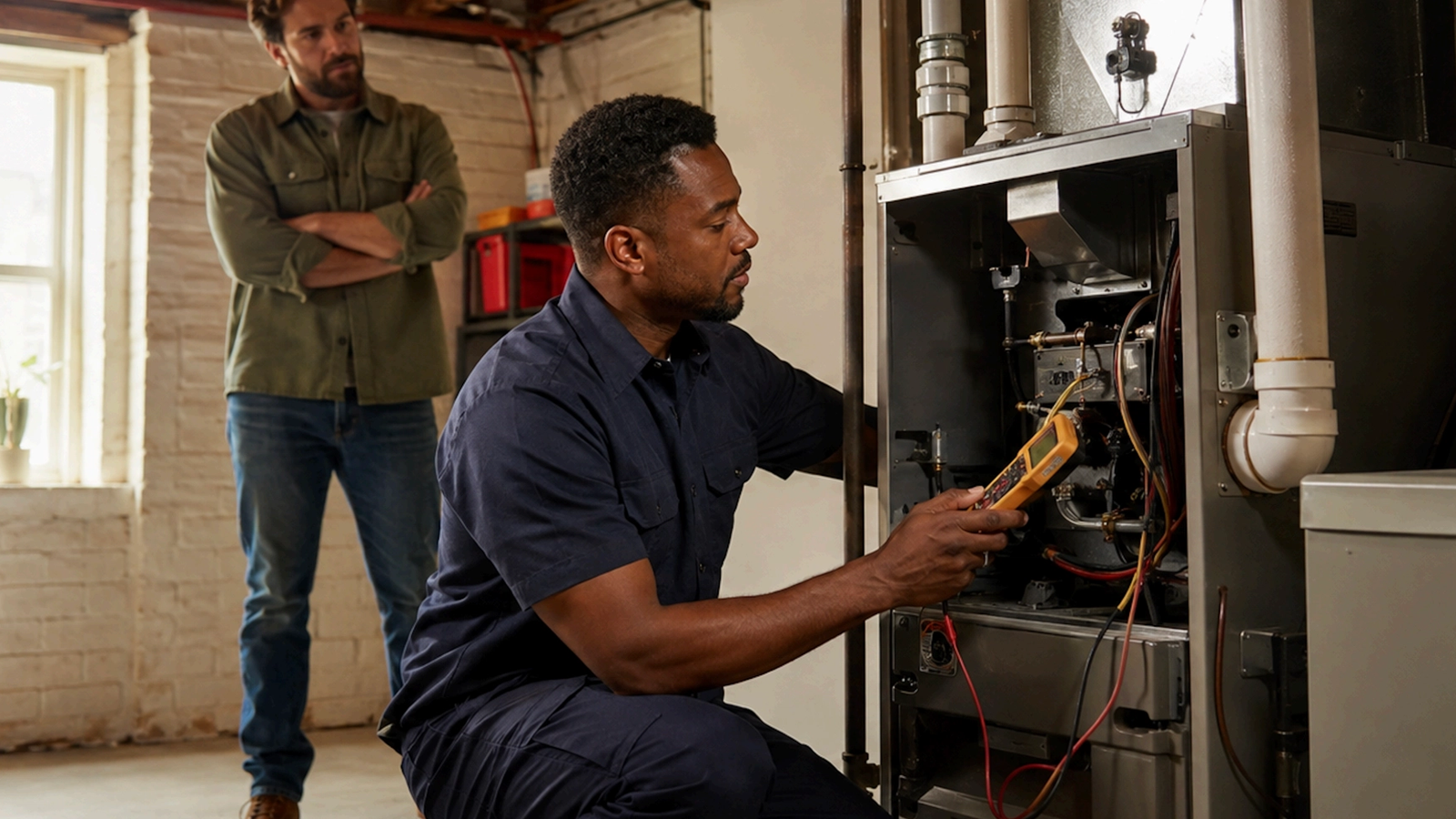
Mid-August is the perfect time to repair a broken furnace, boiler, or heat pump. Schedule heating service before Philadelphia’s first cold snap and avoid a winter no-heat emergency.
The middle of August may seem like a strange time to think about your heating system. Philadelphia is still hot and humid, your air conditioner is working overtime, and winter feels far away.
But if your furnace, boiler, or heat pump was not working properly at the end of last winter, now is one of the best times to address it. Scheduling heating repair in Philadelphia before temperatures fall gives you time to fix the problem without the pressure of a freezing house or a busy winter service schedule.
A heater that struggled last season probably will not repair itself over the summer. Taking care of it now can help you avoid an unexpected no-heat emergency when the first cold night arrives.
Why Repair Your Heater Before Fall?
Schedule Service Before the Seasonal Rush
Heating service calls increase quickly when temperatures begin to drop. During the first cold snap, HVAC companies receive calls from homeowners dealing with furnaces that will not ignite, boilers that will not circulate hot water, and heat pumps that only blow cool air.
By scheduling service in August or early September, you have more flexibility when choosing an appointment. There is also more time to order a replacement component if your system needs a part that is not immediately available.
Prevent a No-Heat Emergency
Small heating problems often become more serious when the system begins running every day. A weak ignitor, worn blower motor, failing circulator pump, dirty flame sensor, or malfunctioning thermostat may allow the heater to operate occasionally but fail under continuous winter demand.
A preseason inspection allows a technician to identify these problems before your family depends on the system. It is much easier to arrange a planned repair in August than an emergency visit on a freezing January night.
Give Yourself Time to Compare Repair and Replacement Options
If your heater is older or needs an expensive repair, starting early gives you time to make an informed decision. You can compare repair costs, equipment efficiency, warranties, and installation options without feeling pressured to accept the fastest available solution.
A professional technician should explain whether the system can be repaired safely or whether replacement makes better financial sense. If replacement is recommended, there will also be enough time to properly size the new system for your home.
Improve Heating Performance and Efficiency
A heating system can still operate while wasting energy or heating the home unevenly. Dirty burners, restricted airflow, clogged filters, leaking ductwork, incorrect thermostat settings, and worn components can all reduce performance.
Correcting these problems before the heating season may help the system run more efficiently and keep temperatures more consistent throughout your home.
Start Fall With Peace of Mind
There is real value in knowing your heater is ready before cold weather arrives. Once the repair and safety inspection are complete, you can turn on the heat in the fall without wondering whether the furnace will start or the boiler will begin leaking again.
Signs Your Heating System Needs Attention
Do not ignore a problem just because the heater is currently turned off. Schedule professional service if you noticed any of these warning signs last winter:
- The heater had difficulty starting or frequently shut down.
- Some rooms stayed noticeably colder than others.
- The furnace made banging, rattling, grinding, or squealing noises.
- The boiler leaked, lost pressure, or left radiators cold.
- The heat pump blew cool air or ran continuously.
- Your energy bills increased without a clear explanation.
- The system produced unusual odors.
- The thermostat did not maintain the selected temperature.
- You needed to reset the system or circuit breaker repeatedly.
These symptoms can have several causes. A proper diagnostic visit is the safest way to identify the actual problem.
What You Can Check Before Calling
Homeowners can perform a few basic checks before scheduling service:
- Check the thermostat: Confirm that it turns on, responds properly, and has fresh batteries if required.
- Inspect the air filter: A severely clogged filter can restrict airflow and contribute to overheating or poor furnace performance.
- Check the circuit breaker: Look for a tripped breaker, but do not repeatedly reset it. A breaker that trips again may indicate an electrical problem.
- Look around the equipment: Check for water, corrosion, loose panels, damaged wiring, or anything unusual near the furnace, boiler, or heat pump.
- Write down last winter’s symptoms: Note any unusual sounds, odors, fault codes, cold rooms, short cycling, or previous repairs. These details can help the technician diagnose the problem.
Do not remove sealed panels or attempt repairs involving gas, refrigerant, high-voltage wiring, burners, or combustion components. If you smell gas, leave the property, avoid operating electrical switches, and contact the gas utility or emergency services from a safe location.
Schedule Heating Repair Before Philadelphia Gets Cold
Mid-August may still feel like the middle of summer, but fall weather can arrive quickly in Philadelphia. If your furnace, boiler, or heat pump was unreliable last winter, now is the time to have it inspected and repaired.
HVAC Philly provides professional furnace, boiler, and heat-pump repair throughout Philadelphia and the surrounding counties. Our technicians diagnose the problem, explain the available options, and provide upfront pricing before repairs begin.
Need specialized boiler service? Learn more about our Philadelphia boiler repair services.
Call HVAC Philly at 215.725.6111 or book an appointment before the fall heating rush begins.
Need help from a Philly HVAC pro?
Same-day service for heating, cooling, and indoor air quality.
Related articles
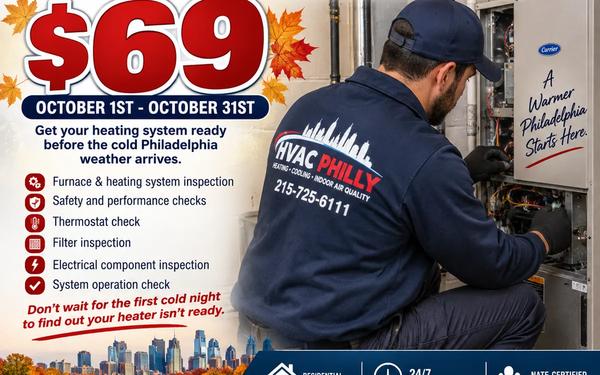
FALL HVAC TUNE-UP SPECIAL — ONLY $69
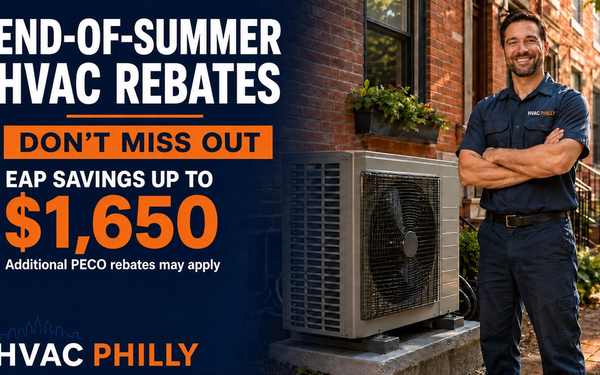
Don’t Miss End-of-Summer HVAC Rebates in Philadelphia