Why Waiting Till Next Summer to Replace Your AC Costs Philly Homeowners More
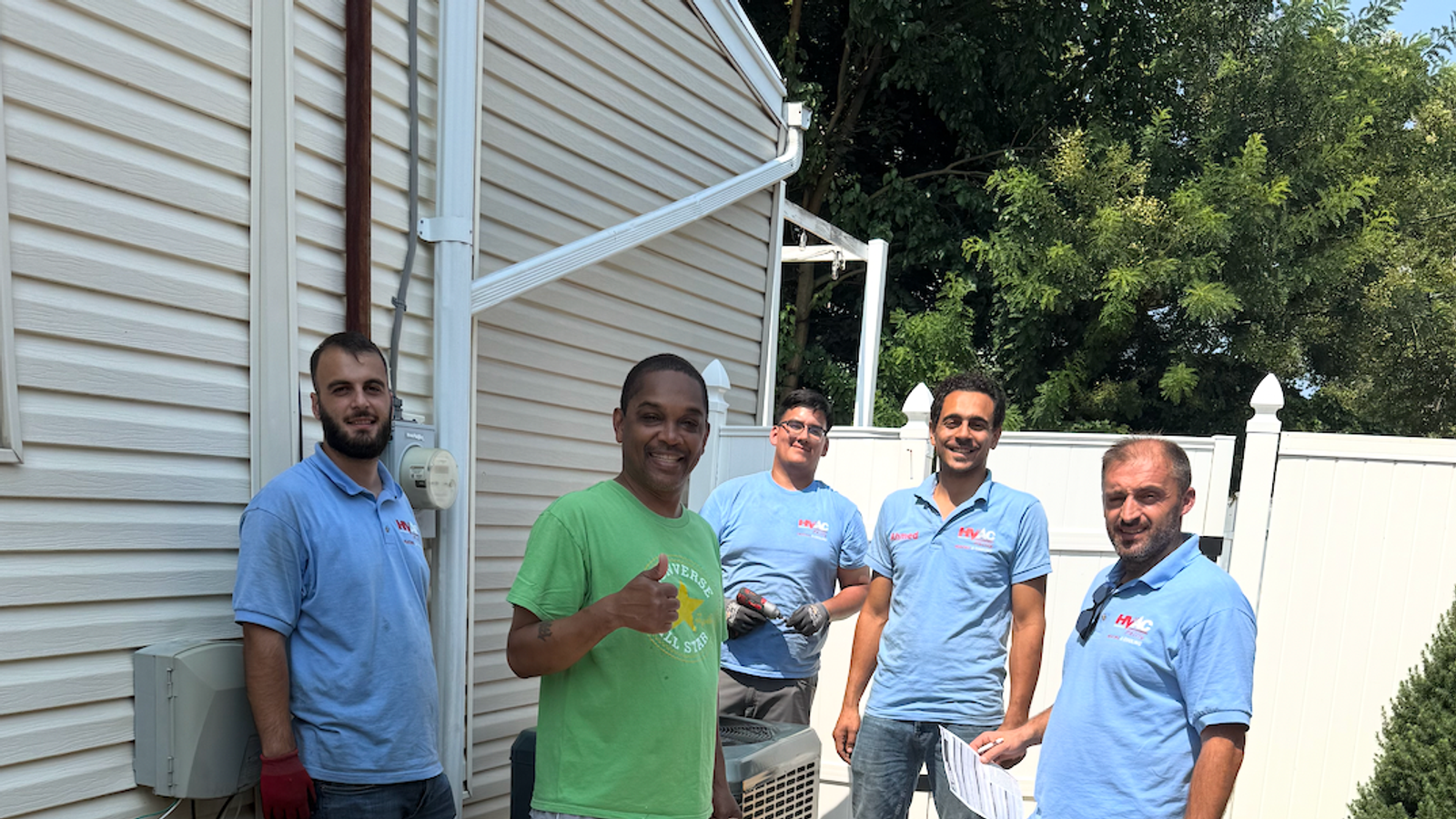
Several of the biggest names in the HVAC industry, including Daikin, Carrier, and Trane, have announced equipment price increases that begin in August and September 2026.
If your air conditioner has been giving you problems this summer, you may be thinking, “I’ll deal with it next year.”
Unfortunately, that decision could end up costing you hundreds—or even thousands—more.
Several of the biggest names in the HVAC industry, including Daikin, Carrier, and Trane, have announced equipment price increases that begin in August and September 2026. That means the same system you’re considering today could cost significantly more just a few weeks from now.
If your current AC is older, breaking down often, or struggling to keep your home cool, now is a good time to start planning instead of waiting for it to fail,” says Viktor, a service technician at HVAC Philly, Philadelphia’s most trusted HVAC contractor since 2008.
HVAC Price Increases Are Coming
Like many industries, HVAC manufacturers continue to face higher production and transportation costs. As a result, they’re increasing prices across much of their residential equipment lineup.
Here are the announced increases:
Daikin
- 8% price increase
- Effective August 3, 2026
Carrier
- 9% price increase
- Effective August 15, 2026
Trane
- 10% price increase
- Effective September 1, 2026
While the exact cost depends on the type of system you choose, these increases can easily add several hundred dollars to a typical home HVAC installation.
Why Waiting Usually Costs More
Many homeowners assume putting off an HVAC replacement saves money. In reality, the opposite is often true.
Once the manufacturer price increases take effect, you’ll pay more for the exact same equipment. If your system fails during next summer’s first heat wave, you could also face longer wait times, limited equipment availability, and higher demand for installation appointments.
Older air conditioners also become more expensive to keep running. Frequent repairs, reduced efficiency, and rising energy bills can quickly add up. Sometimes the money spent keeping an aging unit alive would have been better invested in a new, more efficient system.
Is Your Air Conditioner Trying to Tell You Something?
Your AC may still be running, but that doesn’t always mean it’s in good shape.
It may be time to consider replacing your system if you notice:
- Your home never seems cool enough.
- Your energy bills continue to climb.
- You’re scheduling repairs every summer.
- The system is 12 to 15 years old or older.
- Certain rooms stay hot while others are comfortable.
- Your air conditioner runs almost constantly.
If several of these sound familiar, it’s worth having your system evaluated before prices increase.
Lock In Today’s Pricing Before the Increases Take Effect
At HVAC Philly, we believe homeowners should have the opportunity to make an informed decision—not be forced into an emergency replacement after a breakdown.
By scheduling your estimate before the manufacturer deadlines, you may be able to lock in current equipment pricing, choose from more available systems, and schedule installation at a time that’s convenient for you.
Whether your system needs an AC repair or it’s time for a complete AC replacement, we’ll explain your options honestly and help you choose what’s best for your home and budget.
Schedule Your Free Estimate Today
Manufacturer price increases are something none of us can control, but you can control when you replace your system.
If you’ve already been thinking about upgrading your air conditioner, now is the time to have the conversation.
Contact HVAC Philly today to schedule your free estimate and see how much you could save before Daikin, Carrier, and Trane’s new pricing takes effect.
Need help from a Philly HVAC pro?
Same-day service for heating, cooling, and indoor air quality.
Related articles

Schools Are Back in Philadelphia — What’s Next? Get Your Heater Ready!
Don’t Miss End-of-Summer HVAC Rebates in Philadelphia